Xook K'iin - Women, words and territories
Spore hosts

Save the Date
 Register here
Radical Regeneration: For Soil and Soul
Workshop
3. June 2026
17.00-21.00
17.00-21.00
Save the Date
For Youths and Adults
in German
After exploring the state of the world and the potential of agriculture the previous evening, we now take it one step further. We move from analysis and overwhelm to experience and concrete action.
Register here
How do we tell stories that don't end with catastrophe, but instead open up spaces for agency? In the first part of the workshop, we focus on constructive storytelling. We search for narratives that focus on resilience and healing while acknowledging the reality of destruction.

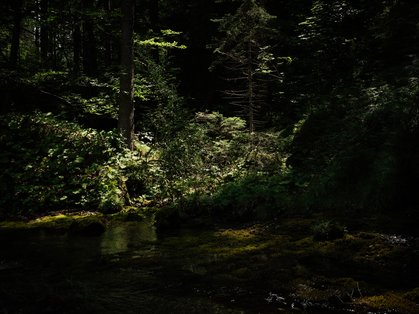 Light shines into a dark German forest
Then, we step out of our heads and seek a direct, tangible, sensory connection to the environment. We go outside and connect with nature at its most fundamental level: the soil. We work with what is there, feeling the earth's texture, the grass's scent, and the roots' resistance. This physical labor is more than just gardening; it is a radical way to reconnect with the biological processes that sustain us all. It goes to the roots. Radix — the root. That's what makes things radical.
We combine shaping stories with shaping habitats. We see ourselves as part of an ecological web that we actively co-create, not just observe. Regeneration requires both new narratives and hands that prepare the ground for them.
Elisabeth Weydt will lead the workshop. She is the author of the book Die Natur hat Recht (Nature Has Rights) and prefers to get her hands dirty. She has planted and harvested potatoes and asparagus in all kinds of soil, whether in Ecuador, Palestine, Greece, or Bavaria. Not always successfully. However, she brings with her stories from her travels and lessons learned from many different gardens.