
Women* Health Justice
Fractured Lifeworlds
Ovaherero and Nama Claims for Intergenerational Justice
7. June 2026 - 30. April 2027
Opening Hours
Tuesday: 3 p.m.-7 p.m.
Wednesday: 3 p.m.-7 p.m.
Thursday: 3 p.m.-7 p.m.
Friday: 3 p.m.-7 p.m.
Saturday: noon-7 p.m.
Sunday: noon-7 p.m.
Opening Hours
Tuesday: 3 p.m.-7 p.m.
Wednesday: 3 p.m.-7 p.m.
Thursday: 3 p.m.-7 p.m.
Friday: 3 p.m.-7 p.m.
Saturday: noon-7 p.m.
Sunday: noon-7 p.m.
Save the Date
For free
All ages welcome
in German/in English
The exhibition is currently closed.
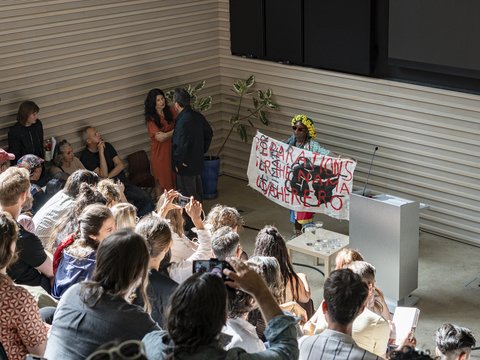
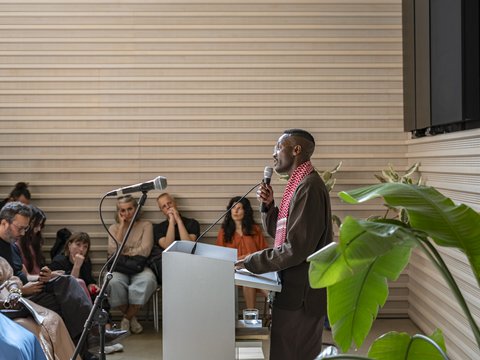
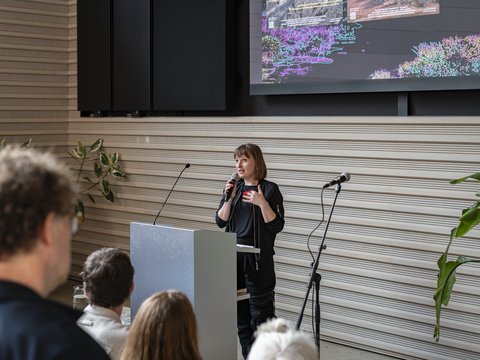
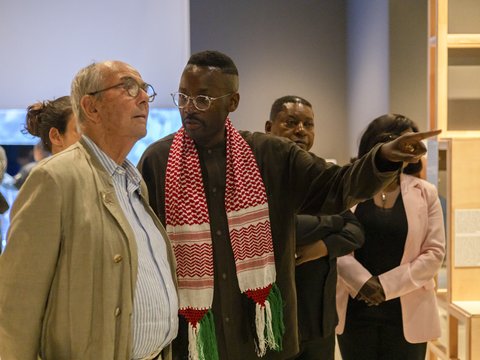
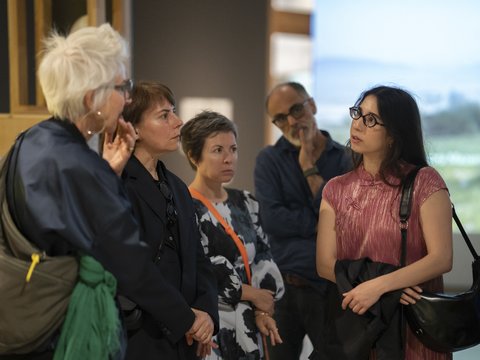
The second season of this project – Wind: The Architecture of a Death Camp – opens with a two-day program created in dialogue with the Ovaherero Genocide Foundation (OGF) and the Nama Traditional Leaders Association (NTLA). Under the title Rooted in Agency and Resilience, United in Justice the first day on October 10, brings together prominent scholars, Namibian traditional leaders, and civil society advocates to examine 122 years of Ovaherero living history. The opening evening on October 11 will begin with contributions from the NTLA, the OGF, Forensic Architecture, and others. This will be followed by an evening of conversation and exchange, as well as a musical performance.
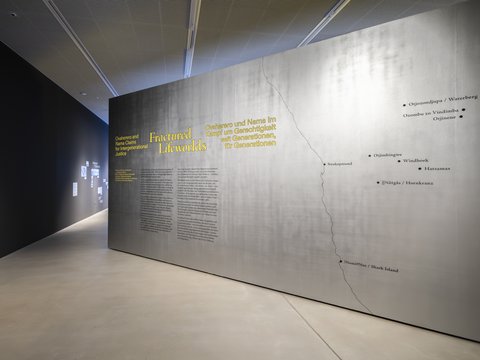
Between 1884 and 1915, German colonial forces carried out genocides against the Ovaherero and Nama peoples in what is today Namibia. Ovaherero and Nama descendant communities, and the land their ancestors inhabited, are still living with that history, through altered environments, stolen territories, and inequalities that have outlasted the colonial period by more than a century.
Fractured Lifeworlds is an investigation into that inheritance.
The exhibition – developed over four years by Forensis and Forensic Architecture, in collaboration with researchers, descendant communities, oral historians, Indigenous scholars, and activists in Namibia and Germany – explores the legacy of Germany’s brutal colonization of southwest Africa (1884-1915), offering an account of ancestral lifeworlds lost to colonial violence.
Season 2 | October 10, 2026 - January 24, 2027 | Wind: The Architecture of a Death Camp
A spit of rock extending into the Atlantic was the first anchorage for European settlers in the land that is today Namibia. A few years later, that same rock spit became the first death camp of the 20th century. Whipped by some of the most powerful winds in southern Africa, around 6,000 Nama and Ovaherero people were murdered on Shark Island by the German colonial army. Some were executed, but many more were simply left to die of exposure to the elements.
Today, the German and Namibian governments support a major renewable energy development – the Hyphen Project – which will destroy the unmarked graves of victims of the genocide, and permanently alter the surroundings of Shark Island, a site of mourning for the Nama and Ovaherero.
The echoes could not be more clear, or more painful: the same winds that brought the first settlers to southwest Africa, and which became an instrument of extermination on Shark Island, are set to underwrite Germany’s ‘green transition’ at the expense of Indigenous cultural heritage.
Fractured Lifeworlds’ second season will premiere new research on the impact of the Hyphen Project on the region’s environmental and cultural heritage.
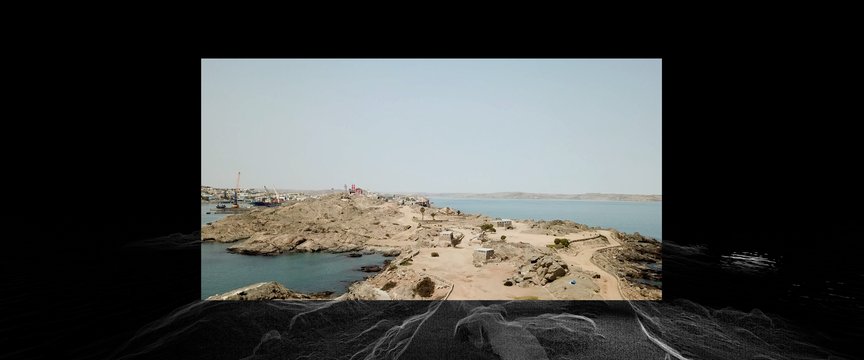 Shark Island
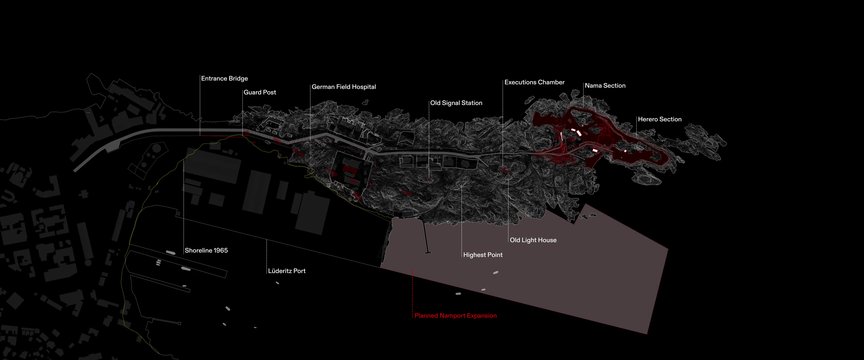 Shark Island Map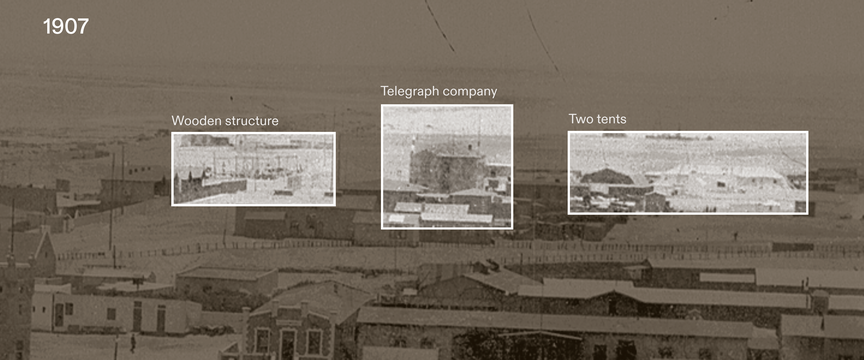
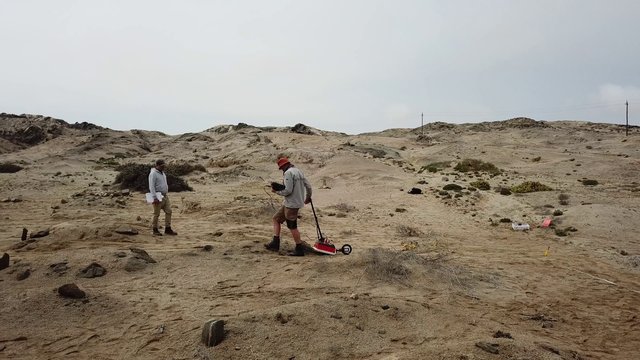 GPR Scanning on Shark Island
Namibia’s colonial history is not remote. It is a lens through which to understand the unresolved histories which define the contemporary world – and Germany’s place within them. The continuities traced in this exhibition resonate with issues of environmental crisis, settler-colonialism, reparation, genocide, memory, and the resurgence of authoritarian and fascist politics.
Examining how colonial violence, dispossession, genocide, extractivism and environmental exploitation have been historically and contemporarily entangled, the exhibition seeks to show how these fractures remain open.
Through spatial analysis, satellite imagery, environmental modelling, archival research, and digital reconstruction, Fractured Lifeworlds explores how ‘green energy’ projects are reproducing colonial continuities, exposing the tensions between ‘green transition’ narratives and unresolved colonial injustices.
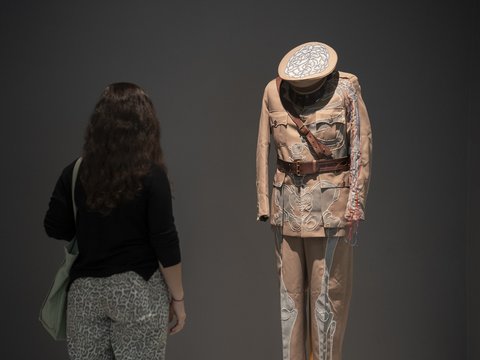
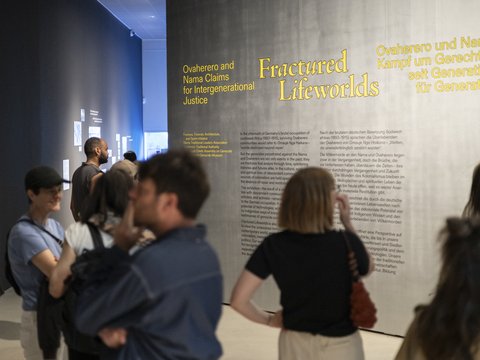 Exhibition opening on June 6, 2026
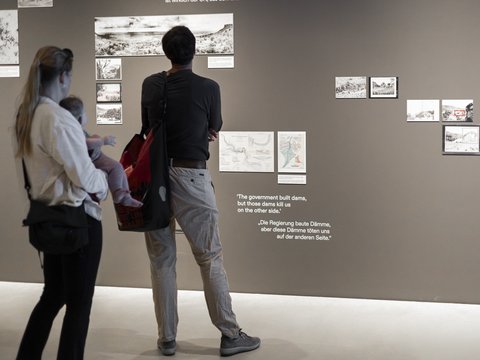 Exhibition opening on June 6, 2026
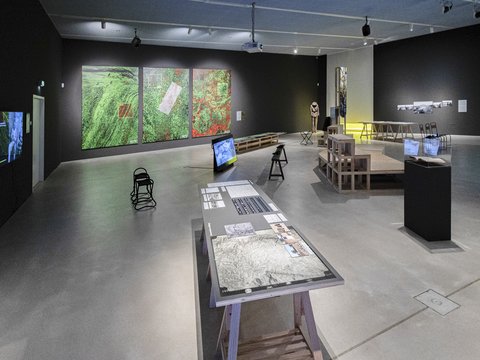 Exhibition opening on June 6, 2026
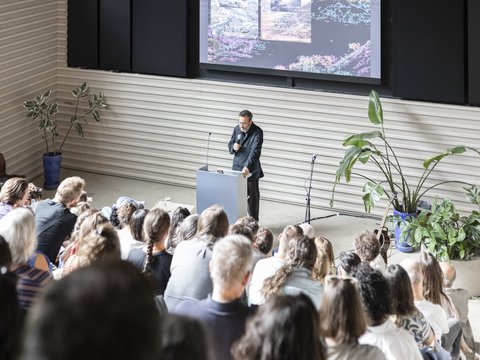 Exhibition opening on June 6, 2026
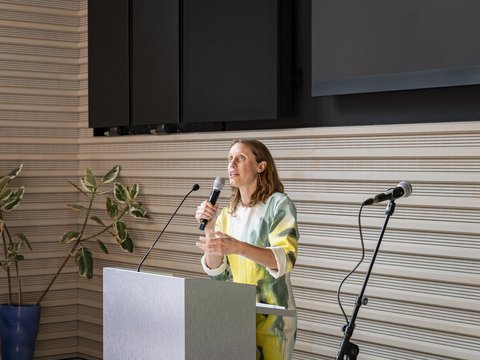 Exhibition opening on June 6, 2026
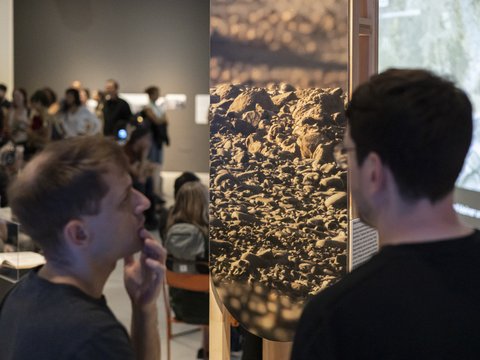 Exhibition opening on June 6, 2026
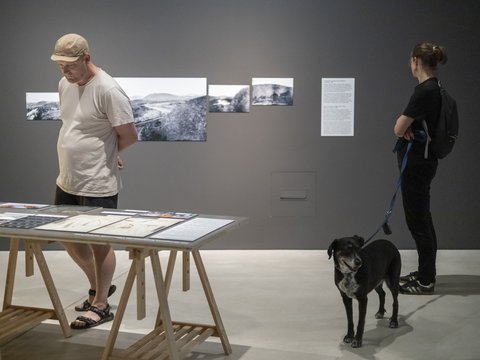 Exhibition opening on June 6, 2026
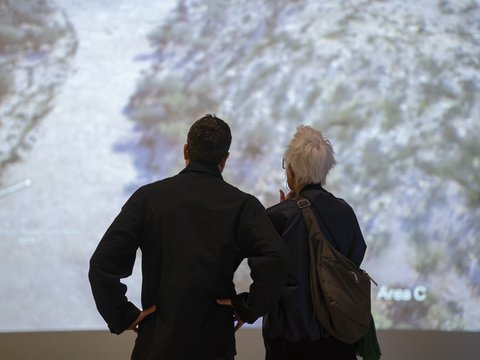 Exhibition opening on June 6, 2026
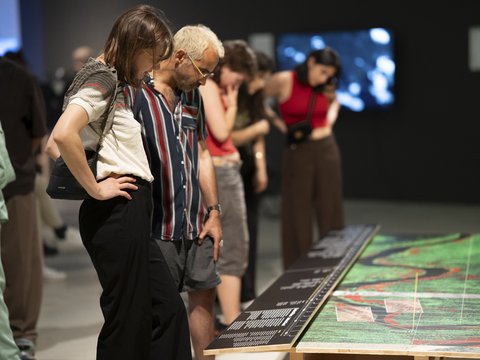 Exhibition opening on June 6, 2026
 Exhibition opening on June 6, 2026
 Exhibition opening on June 6, 2026
 Exhibition opening on June 6, 2026
 Exhibition opening on June 6, 2026
 Exhibition opening on June 6, 2026
 Exhibition opening on June 6, 2026
 Exhibition opening on June 6, 2026
 Exhibition opening on June 6, 2026
 Exhibition opening on June 6, 2026
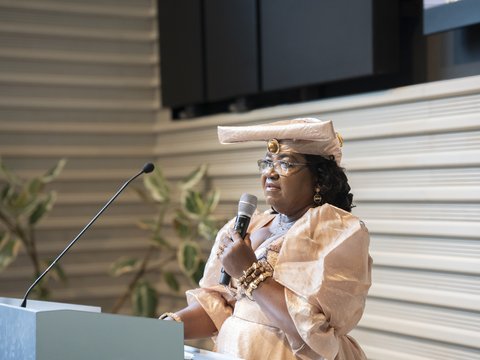 Exhibition opening on June 6, 2026
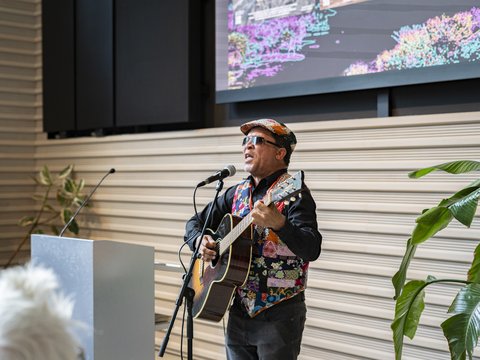 Exhibition opening on June 6, 2026
Seasons
Fractured Lifeworlds unfolds over three seasons – Bush, Wind and Sand – each reflecting an aspect of Namibia’s landscapes, and highlighting a different cluster of research within the collaborative project.
The first season opens among the bush landscapes of Namibia’s interior, where displacement and resistance shaped the early phases of the genocides. As the seasons progress, the exhibition’s focus transitions towards the coastal Namib Desert, where German colonial troops weaponised the region’s climate to pursue the extermination of its inhabitants.
Each season will feature contributions by Namibian artists, in a living dialogue between artistic practice and investigative research.
Fractured Lifeworlds features artists such as Tuli Mekondjo, Vitjitua Ndjiharine, Nesindano Namises, Marcelo Brodsky, and Marco Freivogel.
The exhibition seeks to build international solidarity in support of the demands for recognition, cultural protection, education, and reparation articulated by the Nama Traditional Leaders Association (NTLA), the Ovaherero Traditional Authority (OTA), and the Okandjoze Chiefs Assembly on Genocide (OCAG). In doing so, the exhibition follows in the footsteps of Inherited Testimonies, an exhibition by the same coalition at Windhoek’s National Art Gallery of Namibia (NAGN).
Credits:
Forensis, Forensic Architecture und Spore Initiative
Nama Traditional Leaders Association
Ovaherero Traditional Authority
Okandjoze Chiefs Assembly on Genocide
Swakopmund Genocide Museum
This exhibition and associated public program have been kindly supported by Medico International and the Rosa Luxemburg Stiftung