Gardens of Care
Spore hosts

Save the Date
Zeit zu reden: When the (Constitutional) State Becomes an Enemy
A Critical Discussion Regarding the Treatment of Pro-Palestine Activism
25. June 2026
19.00-21.30
19.00-21.30
Save the Date
For free
For adults
in German
For much of German society, faith in the rule of law was almost unshakeable for a long time. The judiciary was considered independent, and the Federal Constitutional Court corrected state repression—for instance, with the 1985 Brokdorf ruling, which still protects freedom of assembly against blanket prohibition today.
However, this trust is eroding as the state restricts fundamental rights, such as freedom of speech and assembly, and responds to political protest with criminal law rather than societal debate. Pro-Palestine activists are particularly affected, and the climate movement has also experienced preemptive measures, chilling effects, and political and media delegitimization.
Demonstrations, rallies, and sit-ins are banned outright, minor offenses are elevated to criminal offenses, and house searches and digital surveillance are carried out. Activists are repeatedly or preemptively taken into custody and portrayed as a threat to internal security—some as "climate terrorists," and others as "terror sympathizers."
The public prosecutor's office regularly brings charges such as "use of symbols of unconstitutional organizations," "condoning of criminal offenses," and "incitement to hatred" without adequately considering the context. Human rights organizations criticize the use of Section 129 of the Criminal Code, which was originally meant to combat organized crime. They argue that using it against political protest criminalizes civil society engagement and restricts democratic freedoms.
Consequently, people who advocate for Palestine or climate issues increasingly view the state as an enemy. For outsiders, too, the behavior of politicians, police, and the judiciary is often no longer comprehensible. Police violence, the instrumentalization of the domestic intelligence service, political influence on the judiciary, and the criminalization of legitimate forms of protest increasingly appear to be harbingers of an authoritarian state, from which more and more citizens are becoming alienated.
The panel will discuss ways to prevent the politically motivated or blanket use of certain criminal offenses and how to restore trust in the judiciary. Who decides if a like on Instagram constitutes approval of a crime? How can the treatment of the defendants in the Ulm 5 trial in Stuttgart-Stammheim be explained? Is a revoked citizenship an isolated case or an indication of the legal levers that a potential far-right government in Germany could use for its remigration plans?
This event is supported by the Schöpflin-Stiftung, the Mercator-Stiftung, the Robert-Bosch-Stiftung, and the Postcode Lotterie.
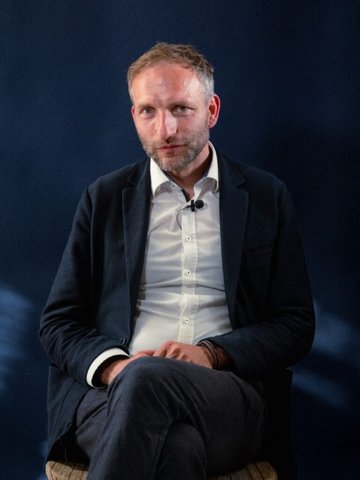
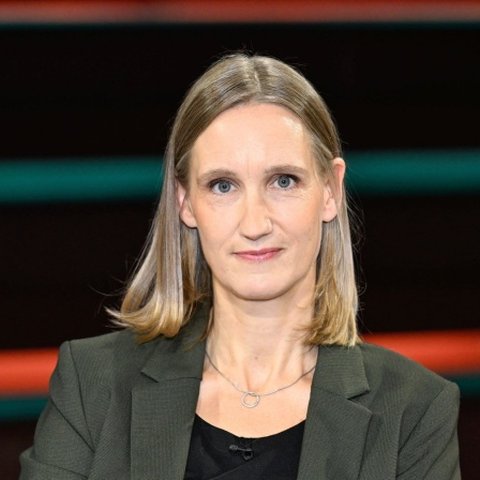
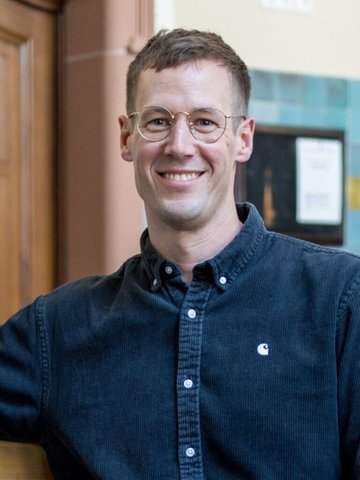
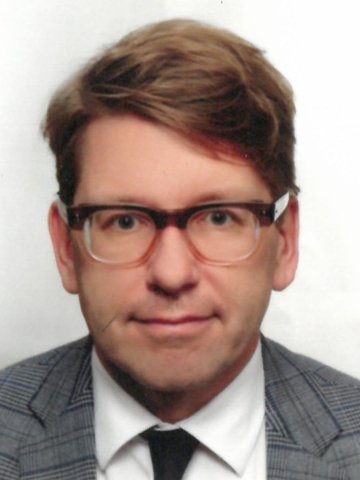
The panel will be moderated by Kristin Helberg. Panelists are: Benjamin Düsberg, Nadija Samour, Tim Kaufmann and Prof. Dr. Gerwin Moldenhauer.