Gardens of Care
Spore hosts

Save the Date
Zeit zu reden: Civil Society Under Pressure
A discussion about media attacks, impending funding cuts and political interference.
22. January 2026
19.00-22.00
19.00-22.00
Save the Date
For free
For adults
in German
As membership of political parties is declining, more and more people are becoming active in civil society initiatives, associations, and non-governmental organizations. While their charitable work must adhere to their own constitutional purposes, this does not exclude advocating for democracy, human rights, and other values enshrined in Germany's constitution.
This is a thorn in the side of authoritarian forces: using disinformation and defamation, they attempt to paint a narrative of an overpowering civil society acting in a partisan political manner. Funding and jobs are being cut, rights to participate and to litigate are being called into question, and democratic spaces for action and discussion are being restricted, especially in connection with work related to Palestine and Israel. In December 2025, the CIVICUS Monitor consequently downgraded Germany's civic space rating to "obstructed."
Local and migrant-led initiatives are particularly affected, but even large NGOs rooted in mainstream society are facing hostility. In their parliamentary inquiry in February 2025, the CDU/CSU parliamentary group demanded that state-funded associations be scrutinized for their political neutrality: from environmental organizations like Greenpeace and BUND, to socio-political initiatives like Campact and "Omas gegen rechts", to critical media outlets like CORRECTIV and Netzwerk Recherche.
But how neutral should civil society engagement be in the face of the rise of parties hostile to the constitution? How apolitical can associations be in times of rising and politically promoted hostility towards people? Must an animal welfare association remain silent when demonstrators or those seeking asylum are attacked? Should critical journalists not name the politicians, who want to restrict media and freedom of expression? And why are Jews in solidarity with Palestine not allowed to participate in an event on far-right structures?
The long-held understanding, developed over decades, that civil society, churches, and the established parties are allies—despite programmatic differences—in the fight against authoritarian and extremist forces, is being called into question. 80 years after the end of the Nazi regime, the fight for equivalence and equal rights of all people in Germany is being portrayed as a "left-wing" project, precisely at a moment, when individual freedom and legal equality seem more self-evident than ever before.
The panel will discuss the state of German (civil) society, the usefulness of political categories, and strategies against authoritarian tendencies both from within and from outside.
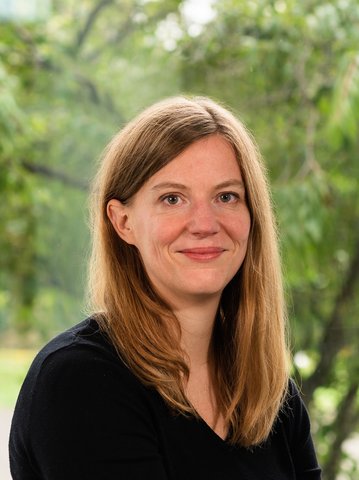
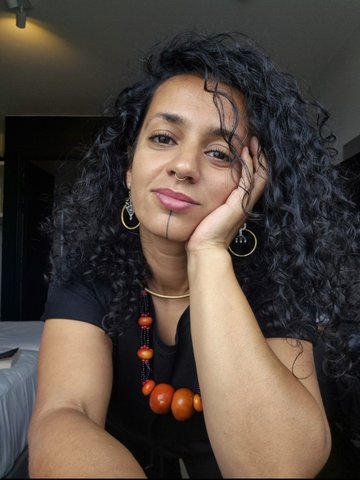
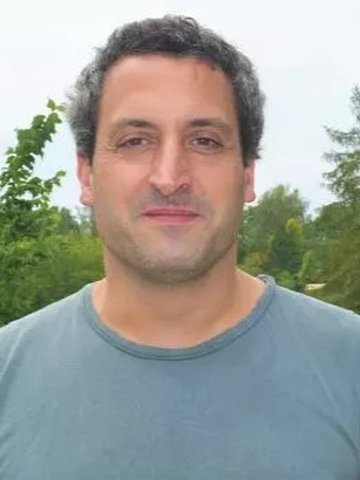
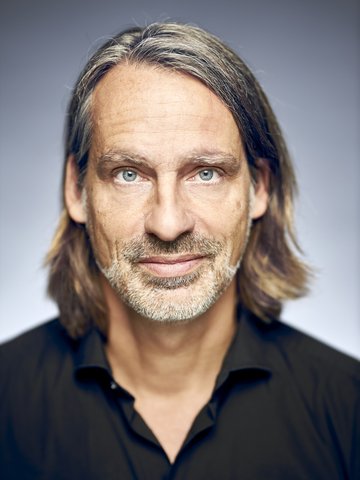
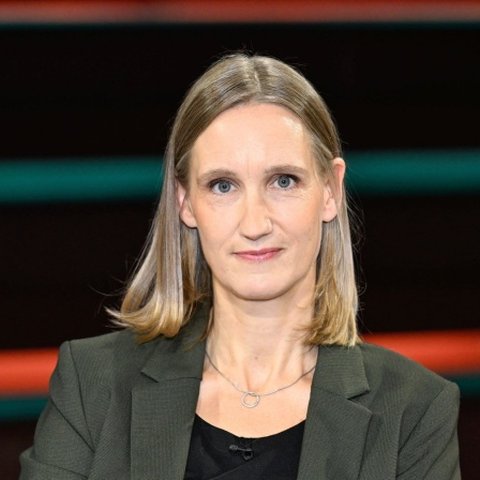
Panelists are: Christina Deckwirth, Riad Othman, Richard David Precht and Louna Sbou
Moderation: Kristin Helberg
This event is supported by the Schöpflin Stiftung, the Stiftung Mercator, the Robert Bosch Stiftung und the Postcode Lotterie.