
Territories of Knowledge
Spore hosts

Save the Date
Zeit zu reden international: Sanctions and Boycotts as Political Leverage
A critical discussion on the goals and consequences of political, economic, and social punitive measures
19. February 2026
19.00-22.00
19.00-22.00
Save the Date
For free
for adults
in English
The attack on Gaza after the October 7, 2023 assault, and the aggressive occupation of the West Bank, have reignited the debate over boycotting Israel. While the idea of sanctioning Israel initially faced much criticism in the West, this has changed in the face of accusations of genocide, war crimes, and crimes against humanity. Today, more than ever, governments and civil societies around the world are considering the possibility of using sanctions and boycotts as a means of pressure.
In fact, some argue that a silent economic, academic and cultural boycott of Israel is already happening. Data from the Manufacturers Association of Israel show that Israeli exports fell sharply last year, with only four countries—Germany, Taiwan, India, and the US—increasing their imports from Israel. Prime Minister Netanyahu has prepared the economy for a transition to self-sufficiency.
However, boycotting Israel is still taboo for some Western governments, especially in Germany. At a time when French dockworkers are blocking military cargo bound for Israel and Italian supermarkets are banning Israeli products, while Irish, Danish, Dutch and Norwegian pension funds are divesting from companies involved in settlements, Germany is declaring Israel its 'premium partner' in cyber security and military cooperation. This unwavering support for Israel from powerful Western governments means that a grassroots boycott is the only way for citizens of those countries to exert pressure on Israel.
When searching for historical precedents, reference is often made to South Africa, where an international trade embargo contributed to the fall of the Apartheid regime. Can this example be applied to Israel and Palestine? What similarities and differences exist? What lessons can be learned from the South African case to make sanctions and boycotts more effective tools in fighting occupation and apartheid?
The panel will discuss how society and the state can contribute to these efforts, and how sanctions and boycotts can be designed to prevent crimes while avoiding collateral damage to allies and humanitarian suffering. Should these measures target certain individuals, specific economic sectors, or state institutions and their representatives? Or must a country's entire economy and business community be isolated in order to mobilize them against their political leadership? Is it helpful or harmful to boycott cultural institutions, artists, athletes, universities, scientists and Israeli NGOs within the so-called peace camp?
This event is supported by the Schöpflin Stiftung, the Stiftung Mercator, the Robert Bosch Stiftung and the Postcode Lotterie.
Panelists are: Andrew Feinstein and Prof. Neve Gordon, and Sophia Hoffinger.
Moderation: Kristin Helberg
 Neve Gordon
 Andrew Feinstein
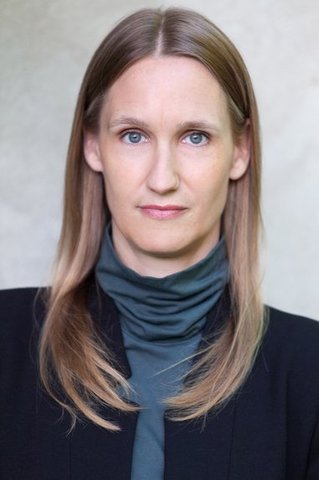 Kristen Helberg
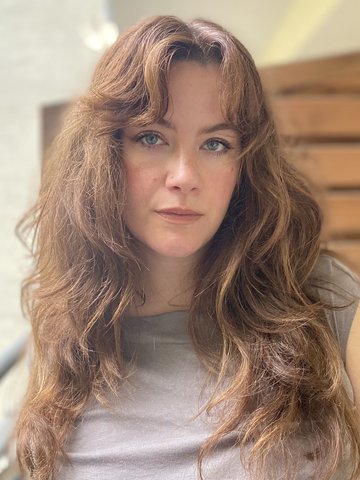 Sophia Hoffinger