Gardens of Care
Spore hosts

Save the Date
Zeit zu reden: Where is Syria headed?
A critical discussion on authoritarian statehood, a fragmented society, and (lost) hopes
21. May 2026
19.00-22.00
19.00-22.00
Save the Date
For free
for adults
in German
Nearly a year and a half after the fall of the Assad regime, Syria is still facing enormous challenges. Large parts of the country, including residential areas, roads, water and electricity grids, schools, and hospitals, have been destroyed or damaged. More than five million people are still displaced, and 15.6 million Syrians depend on humanitarian aid. To move forward, militias must be transformed into professional security forces, the public sector must be reformed, the economy must be revitalized, and reconstruction must be financed. To accomplish this, suitable investment conditions must be established, mines must be cleared, mass graves must be exhumed, and war criminals must be apprehended and brought to justice. Some progress has already been made, but many feel that things are not moving fast enough.
Transitional President Ahmad al-Sharaa has convinced the international community that he can stabilize Syria after 54 years of dictatorship and nearly 14 years of war—but can he also unite the country and its people? Syrian society is deeply divided. While residents of Damascus rave about greater freedom and a life without fear, segments of the population—especially Alawite, Druze, Kurdish, and Christian Syrians—have lost all trust in the new leadership. Following the massacres on the coast in March 2025 and in Sweida in July 2025, as well as the militarily enforced integration of the Kurdish-led Autonomous Administration of North and East Syria into the central state in January 2026, they fear violent attacks and discrimination. Some believe that a government dominated by Arabs and Sunnis in Damascus could become worse than the former Baath regime in the medium term because al-Sharaa is compounding Arab nationalism with some form of Islamism.
Syria is in a transitional phase, and the outcome is unclear. In this panel discussion, four Syrian experts will address the most pressing issues and explore different perspectives. What is al-Sharaa’s vision? Can civil society defend its newly gained freedoms? What role does the diaspora play? How important is a political parties law that allows people to organize politically? What answers will a new constitution provide regarding questions of identity and pluralism? Amidst the escalating violence in Lebanon, Iran, the Gulf, Palestine, and Israel, Syria almost seems like a haven of stability. How are the wars affecting the situation in Syria? What interests are Israel, Turkey, and other regional powers pursuing in Syria? What needs to happen for Syria to become a country for all Syrians?
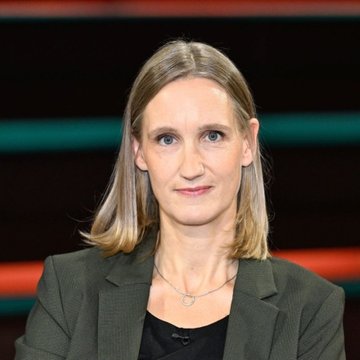
Moderation: Kristin Helberg
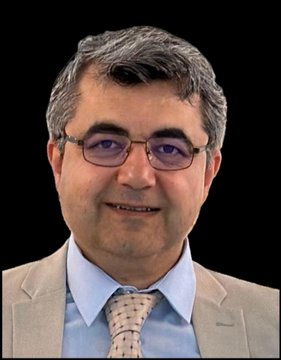
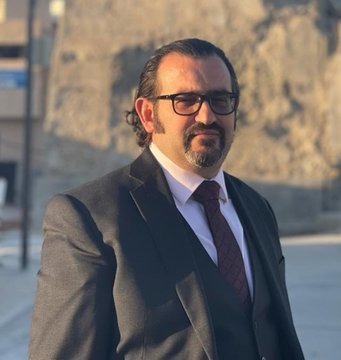
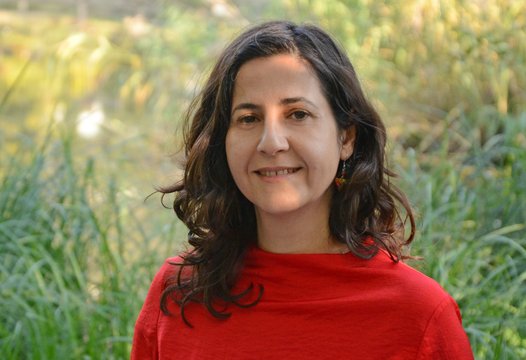
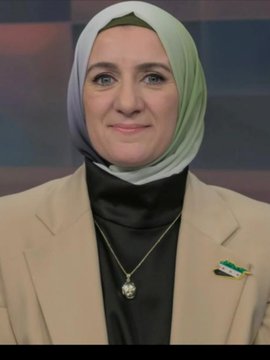
Panelists: Ferhad Ahma, Salam Said, Dr. Naseef Naeem, Nahla Osman
This event is supported by the Schöpflin Stiftung, the Stiftung Mercator, the Robert Bosch Stiftung and the Postcode Lotterie.