
Women* Health Justice
Spore hosts

Save the Date
Zeit zu reden – International: The Genocide Against the Armenians and its Significance
A critical discussion on historical precedents, the consequences of impunity, and the lessons learned
23. April 2026
19.00-22.00
19.00-22.00
Save the Date
For free
For adults
in English
Every year on April 24, Armenians around the world commemorate the genocide that began in 1915 and resulted in the systematic destruction and displacement of the Armenian population of the Ottoman Empire. Evidence of the atrocities can be found in the files of the German Foreign Office because the German Empire—an ally of Turkey in World War I—had sent military advisors to support Turkey. These advisors were involved in the Turkish rulers' decision-making process.
The perpetrators and their supporters were never brought to justice, and to this day, Turkey still does not recognize the genocide. One of its main perpetrators, Interior Minister Talat Bey, evaded prosecution by fleeing to Germany, where he found refuge in Berlin.
The devastating Armenian massacres inspired Raphael Lemkin, a Polish-Jewish jurist, to coin the term “genocide” in the 1940s. The destruction of European Jews by Nazi Germany gave his work additional urgency and ultimately led to the adoption of the Genocide Convention by the UN in 1948. However, this did not prevent further genocides and crimes against humanity – from the Biafran War to Yugoslavia, Rwanda, the Rohingya in Myanmar, the Yazidis, Sudan, and Gaza.
In September 2023, Armenians again became victims of mass displacement when Azerbaijan launched a military offensive against Artsakh (Nagorno-Karabakh), an Armenian enclave within Azerbaijan. As a result, almost the entire Armenian population of over 100,000 people fled to Armenia within a week. The Armenian community in Jerusalem is also facing violent attacks from Jewish settlers.
The panel will discuss patterns that connect these atrocities across time and geography, as well as the consequences of denial and impunity. How do arms sales, geopolitical alliances, and energy interests determine which lives are protected and which are ignored? What obligations does Germany face beyond recognition, given its historical involvement?
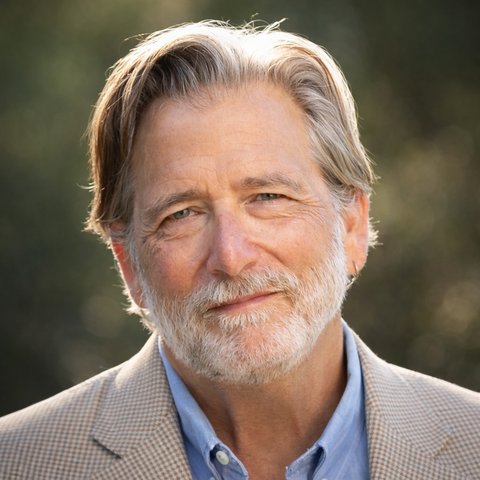
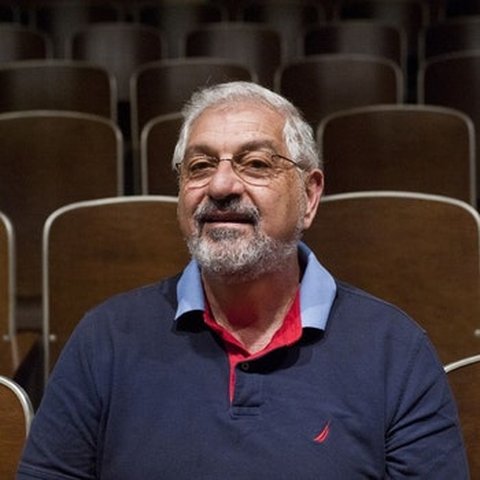
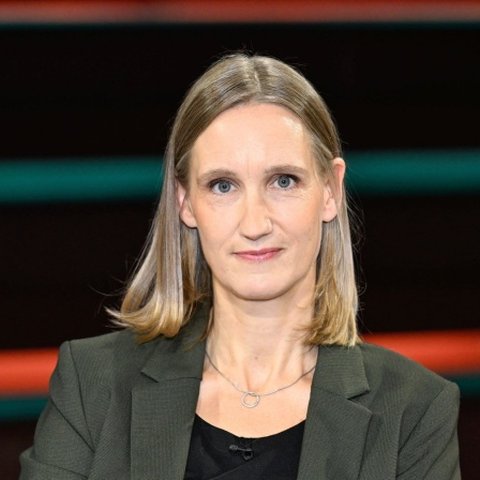
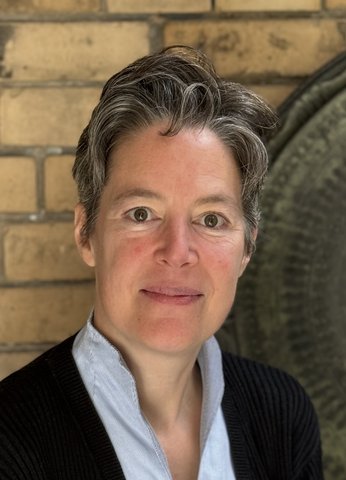
Panelists are: Ronald G. Suny, Elke Shoghig Hartmann and Keith David Watenpaugh.
Moderation: Kristin Helberg.