Xook k'iin Almanac
Spore hosts

Save the Date
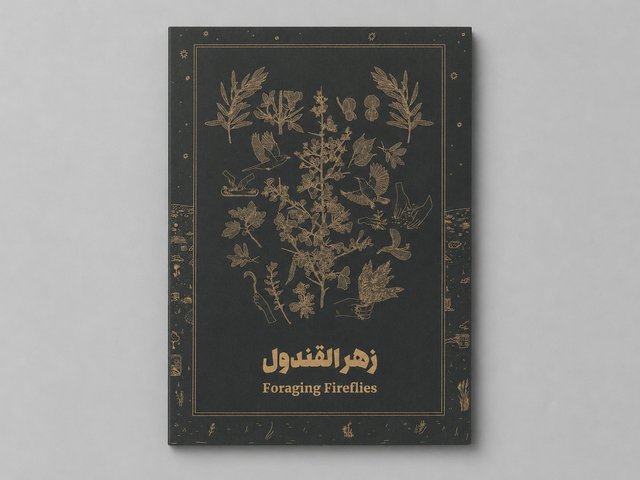
Foraging Fireflies
Palestinian Foodways as Living Knowledge – Reading, Conversation, and Shared Meal
22. November 2026
17.00-19.00
Save the Date
For free
For Youths and Adults
in English
In a reading and conversation, Maisan Hamdan and Yara Dowani present Foraging Fireflies, SuperMelon’s bilingual Arabic-English publication, which grew out of a two-week foraging festival in Palestine. Together, they ask how you pass on knowledge of a place you are no longer free to access, what a book can preserve, and what kind of freedom is necessary to keep practices alive. This exchange will be accompanied by a shared meal.
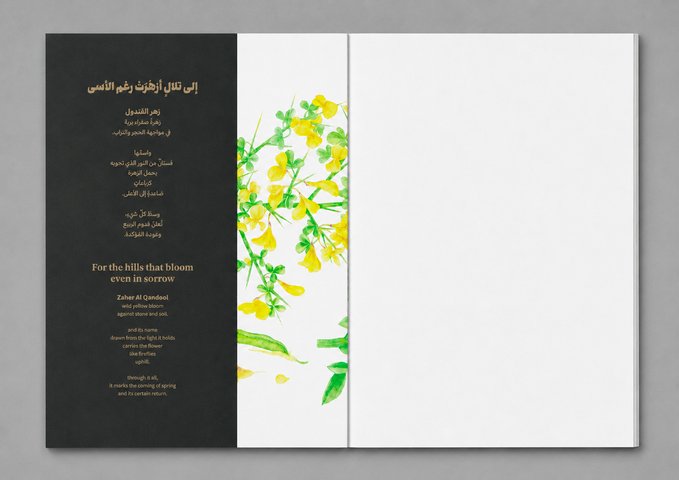
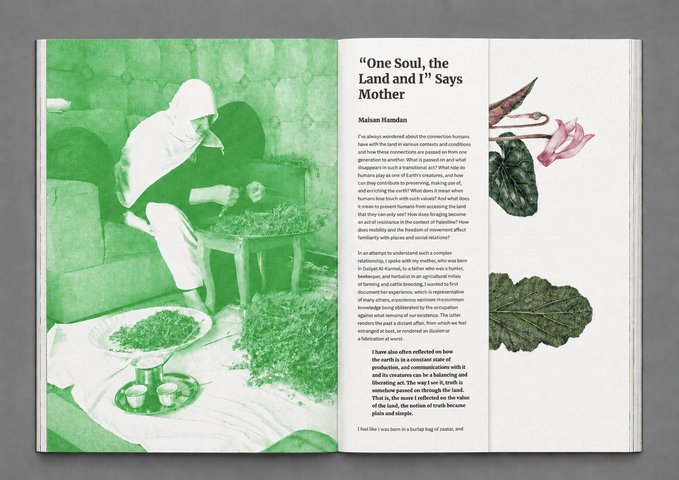
Hamdan grew up foraging with her mother in the Carmel Mountains. Recognizing wild herbs and knowing their uses seemed ordinary until she understood how much this learning depended on where people were free to go. Returning to those mountains, she found more fences and fewer places she could reach. In her essay One Soul, the Land and I’ Says Mother, her mother’s memories reveal the pleasure of gathering and growing, and how much a daughter can still discover about the knowledge she grew up with. Hamdan has recently become increasingly involved in cooking, and does so in a wide variety of places in order to claim and preserve the heritage of Palestinian cuisine.
Dowani, a farmer and one of the publication’s editors, brings her experience at Om Sleiman Farm to the practical question of how to apply and adapt knowledge when growing food under Israeli occupation, with limited access to essential resources.

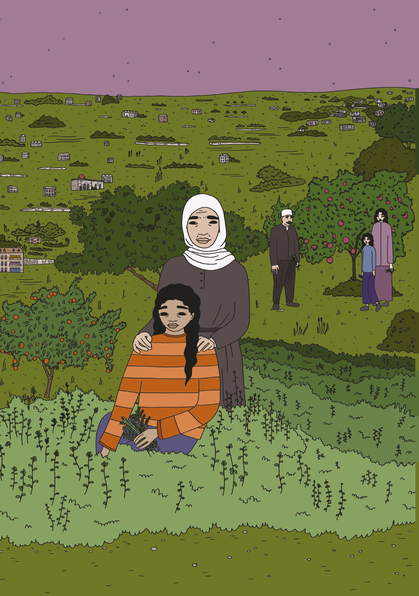
The conversation then turns to the politics of food, land, and ecology, with particular attention to women’s knowledge economies: how knowledge is developed, valued, practiced, and shared across generations. Inheritance is an active relationship of teaching, experimenting, remembering, and sometimes disagreeing, in which each generation meets new conditions and decides what to continue, adapt, or leave behind. Supporting women’s knowledge of plants, foraging, and land takes more than celebrating their resourcefulness. It means asking who has a say over land and water, and who is expected to take on the extra work when access is restricted.
These questions point toward SuperMelon’s next project, The Black Goat Festival: On the Politics of Milk, which extends the inquiry from what grows on the land to what feeds on it and will again lead to a publication.