
surtelifacilitation
Spore hosts
Save the Date
Zeit zu reden: "Propaganda, Public Diplomacy, and the Role of the Media"
A critical discussion on the methods and objectives of state communication
12. December 2025
19.00-22.00
19.00-22.00
Save the Date
For free
for adults
in German
Nation states communicate with the public. When they attempt to manipulate public opinion in their favor by strategically disseminating information, political science refers to this process as propaganda. Because the term carries negative connotations, however, state representatives prefer to use euphemisms such as public diplomacy, foreign cultural policy, strategic communication, or public relations.
According to journalist Pauline Jäckels, anyone who systematically spreads information to "portray their own actions in the best possible light, shield themselves from criticism, and generate public support" is engaging in Propaganda. Through this process, their own position is strengthened, while other positions are brought into question, pressurised, delegitimised or debased, and thereby silenced.
Propaganda is not only used by autocrats, democratically elected governments use it too. The latter is just more difficult to recognize as it usually appears more nuanced and factual. Rather than relying on obvious lies or direct censorship, democracies use selective omissions of specific information or source framing.
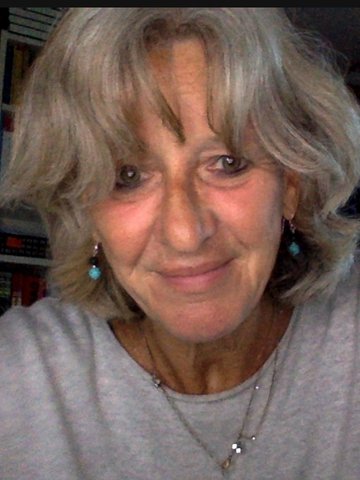 Dr. Renate Dillmann
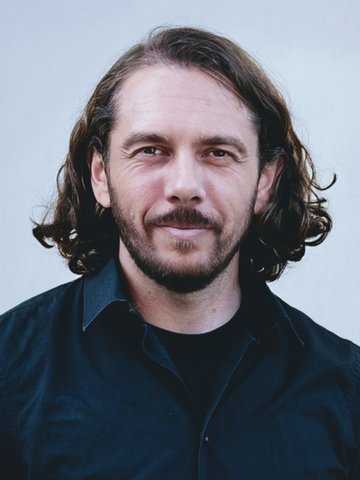 Fabian Goldmann
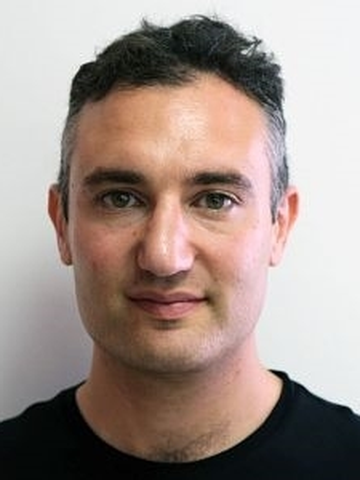 Gil Shohat
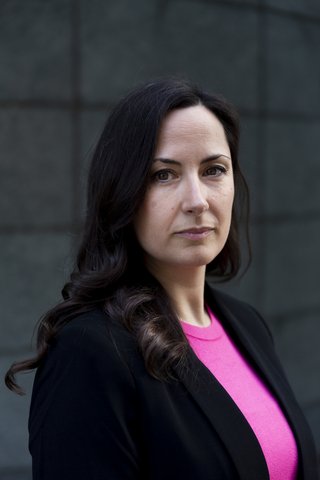 Nadia Zaboura
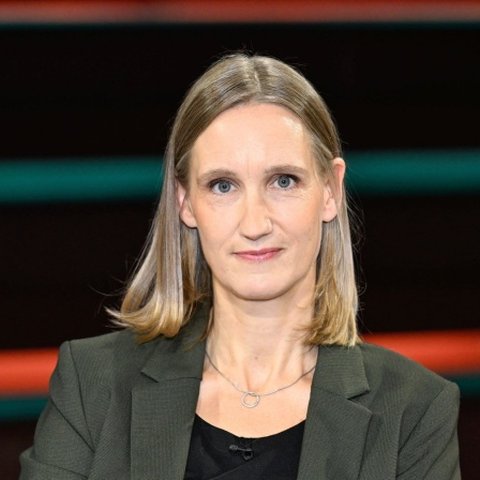 Kristin Helberg
Ciritical media is indispensable for exposing the manipulative tendencies in state communication. It is necessary to have a media doesn't just pass information along, but questions it, verifies it, and supplements it. Does this happen Germany? What role does the media play in revealing the political influence of third parties? When do routine background briefings from these third parties with members of the German parliament become systematic influence? Are members of parliament allowed to accept invitations for foreign trips, or is this only a matter of who organizes and pays for the program?
This panel will discuss how the media and the political establishment in Germany engage with diverse forms of strategic communication from other states, what different dynamics exist, and what consequences this has for public discourse and democracy in Germany.
This event is supported by the Schöpflin Stiftung, the Stiftung Mercator, the Robert Bosch Stiftung und the Postcode Lotterie.
Panelists are: Dr. Renate Dillmann, Fabian Goldmann, Gil Shohat and Nadia Zaboura.
The panel will be moderated by: Kristin Helberg