Making local - Soil & Pigments
Making local – storytelling as creative resistance
a conversation with artists José Chi Dzul, Mayur Vayeda and Tushar Vayeda
25. May 2023
18.30-20.00
18.30-20.00
Save the Date
for free
for adults
in Spanish/in English

We invite you to a conversation with the Warli artist brothers Mayur and Tushar Vayeda and Maya artist José Chi Dzul. The speakers will introduce their artist practices around the local contexts and communities they are rooted in, respectively at Ganjad and Yucatan.
We will be looking at common grounds, synergies, and differences in their approach to communal, inherited practices of storytelling, the use of natural materials, challenges that emerge from “modernization,” from technological shifts, and environmental issue, and explore their relations to spirituality and identity.
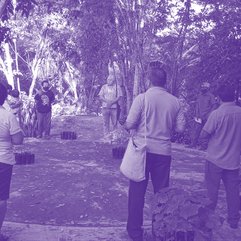
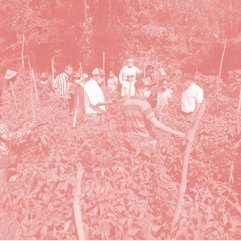
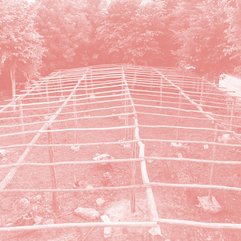
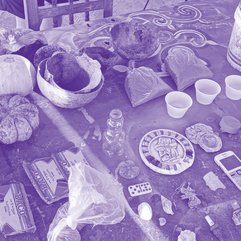
The artists have worked together during a recent collaboration on two workshops that were conceptualized, organized, and facilitated in their home communities, in collaboration with Spore Initiative: Making Local – Pigments and Soil
Mayur and Tushar Vayeda are presenting some of their works currently at Spore Studio. A newly commissioned work of José Chi Dzul will be on display from 17th of June 2023 on.
José Chi Dzul has created an artistic practice that combines techniques of sign-painting with Maya language(s), while using mostly natural pigments on both murals and large-scale canvases. Painting Maya words and pictorial references to Maya culture in public spaces he generates strong messages about the importance of creating a voice and recognizing the contemporaneity of Maya culture and identity. As José puts it: “The Mayan language in my painting is a clear way for contemporary Maya people to exercise the inheritance and knowledge of our grandparents. Where a legacy becomes present.” He also founded the Taller de Arte Contemporáneo KO’OX Túukul KO’OX BOOM (Let us think, let us paint) in Dzan, Yucatán, as a place for reflection and artistic experimentation for the younger generations of the region.
Mayur and Tushar Vayeda nurture a traditional Indigenous art form, known as Warli, that began in Maharashtra and is still widely practiced today as one of the oldest artforms. Perceived not as painting but as act of writing, this art form is an essential part of rituals, of celebrating communal life and of the transmission of oral knowledge to next generations. Bringing in new visual languages Mayur and Tushar reflect on the changes and challenges the community is living, from industrialization and climate change to migration and ecocides through mega projects.
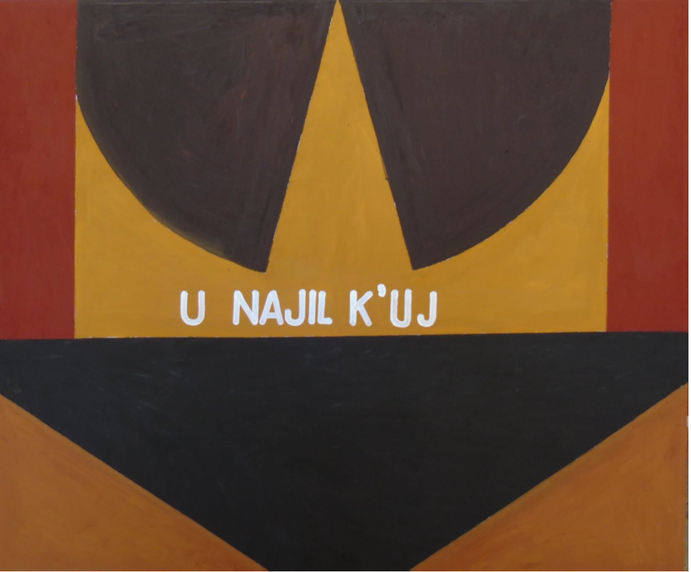 U najil k’uj (La casa de Dios / The House of God), 2020
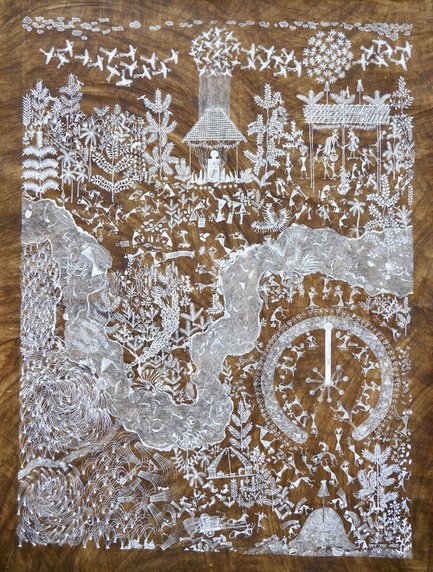 Season